


 简体中文
简体中文 Japanese
 Korean
 Russian
 繁体中文
繁体中文
Valve selection
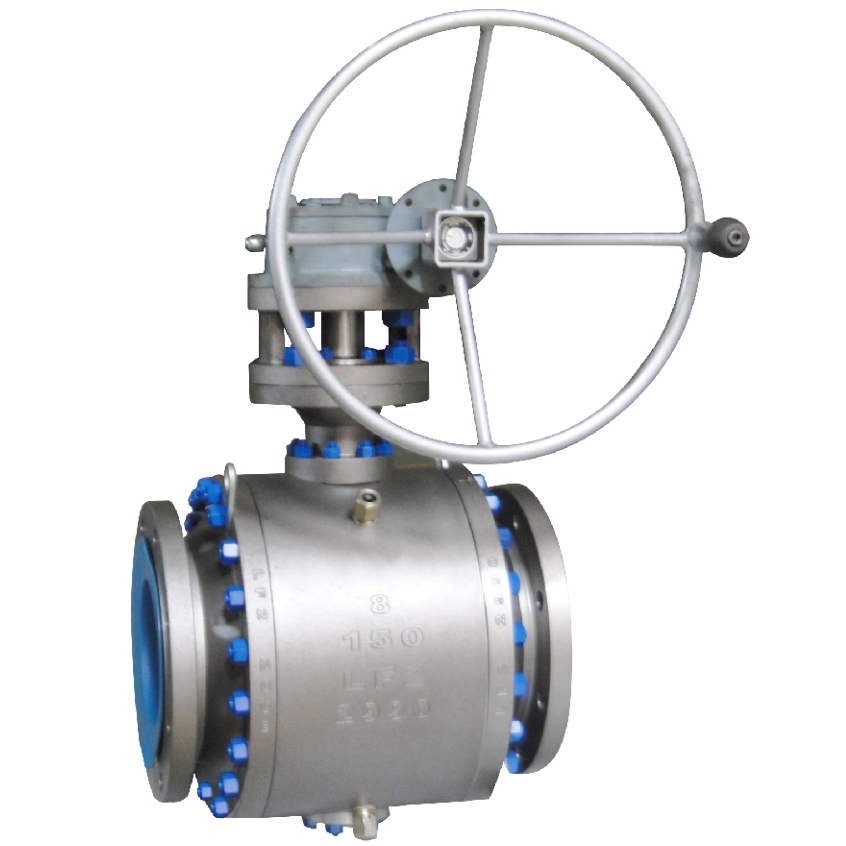
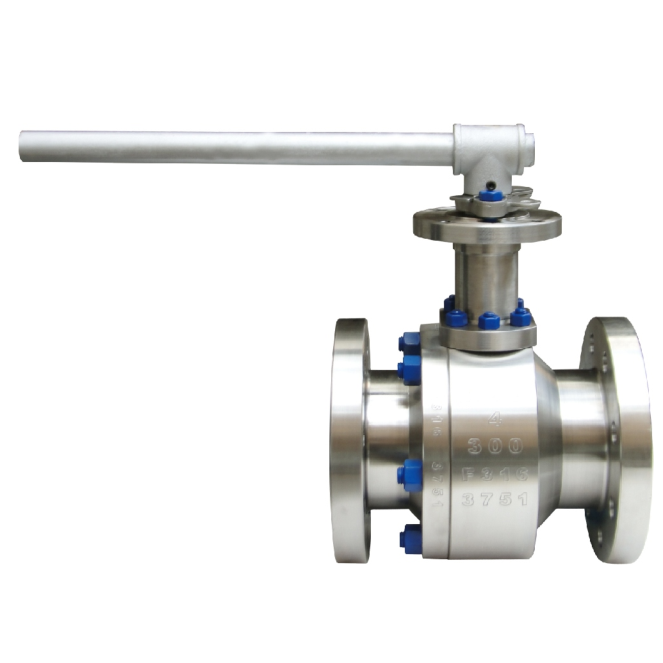
Worm gear low temperature LF2 American standard flange ball valve
The worm gear low-temperature LF2 flange ball valve is a ball valve used for low-temperature applications, especially suitable for extremely low temperature environments. Its main feature is that the valve body and seat are made of low-temperature material LF2/LCB, and a worm gear operating mechanism is used to achieve switching. Low temperature ball valves are commonly used in chemical equipment for transporting materials such as ethylene, liquid oxygen, liquid hydrogen, liquefied natural gas, etc. These flammable and explosive media will undergo vaporization reactions when the temperature rises, causing their volume to expand hundreds of times, and the characteristics of easy permeability and leakage of the media increase the difficulty of processing.
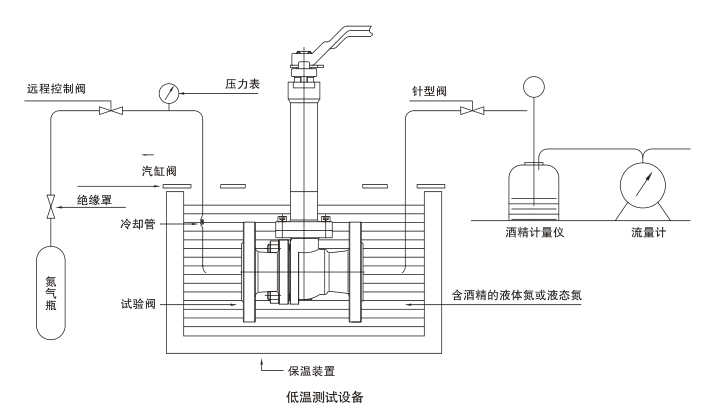
The pressure bearing part of the valve can withstand the expansion and contraction of the medium at different temperatures, and the sealing structure of the valve remains unchanged under temperature changes. In order to ensure the normal operation of the valve at minus 100 ° C, the pressure bearing parts of the valve need to undergo cryogenic treatment after processing. That is to say, the pressure bearing parts are first cooled in a liquid nitrogen box. When the temperature drops to minus 196C, they are kept warm for 1-2 hours. Then, they are removed and placed at room temperature, and the above operation is repeated.
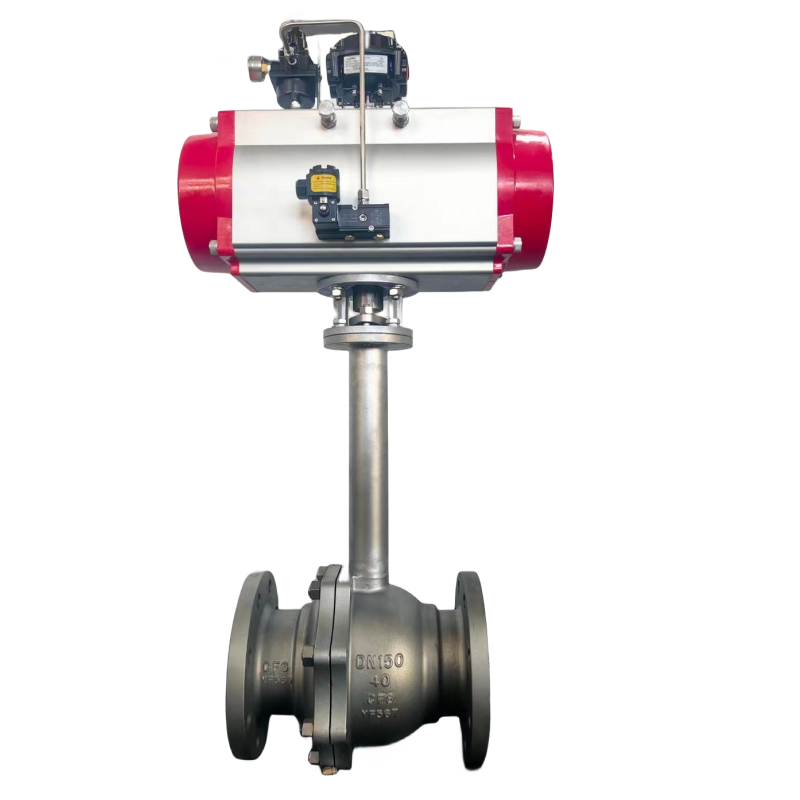
2. The valve cover is a long neck structure that ensures the function of the packing box is not damaged, keeping it away from low temperatures and ensuring good sealing performance. In addition, insulation materials are configured to prevent the loss of cold energy. The length of the neck depends on the temperature of the medium and the thickness of the insulation layer material. When the sealing performance of the packing decreases, injection cooling can form an oil seal layer inside the packing box, reduce pressure difference, and enhance the reliability of the seal.
To serve temperatures below minus 100 ° C, the valve stem must be chrome plated or nitrogen plated to enhance the hardness of the sealing surface and the reliability of the packing seal.
4. The low-temperature ball valve adopts a structure that avoids abnormal pressure rise. When the medium in the low-temperature ball valve vaporizes and the volume rapidly expands, the pressure will rise to a high point, and the pressure in the valve chamber will increase, which will flow with the pressure at the outlet. Alternatively, installing a pressure relief valve at the outlet can ensure the safe use of the valve.
5. The gasket used in low-temperature ball valves can achieve independent sealing function under normal and low-temperature conditions, or in situations where temperature is variable.
1. Structure and composition:
- 主体阀体:通常由低温材料LF2(低温碳钢)制成,具有法兰以便与管道系统连接。
- 球体:球体通常由相应的低温材料制成,以确保在低温下具有耐用性。球体可通过蜗轮操作机构旋转,以控制流体的流量和流向。
- 操作机构:蜗轮操作机构用于旋转球体,以控制阀门的开合程度。这使得阀门可以在低温环境下轻松操作。
- 密封装置:阀座和密封圈通常由耐低温材料制成,以确保在低温下的可靠密封性。
- 法兰:法兰符合相关标准,以确保与管道系统中的其他组件兼容。
2. 工作原理:
蜗轮低温LF2法兰球阀的工作原理是通过旋转球体来控制流体的流向和流量。蜗轮操作机构用于手动操作球体,通过蜗轮传动机构实现精确的开合控制。
3. 特点和优势:
- 低温适应性:这种球阀专门设计用于低温应用,能够在极低温度下正常工作。
- 耐低温材料:阀门的关键组件,包括阀体、球体、阀座和密封圈,都使用耐低温材料,以确保在低温环境下的性能和可靠性。
- 蜗轮操作:蜗轮机构提供了高度精确的控制,适用于需要精确流量控制的低温流程。
- 法兰标准:法兰通常符合相关标准,以便与其他标准化管道组件兼容,简化了安装和维护。
4. 应用领域:
蜗轮低温LF2法兰球阀通常在以下领域得到广泛应用:
- 低温液体储存和输送:用于控制低温液氮、液氧、液氩等的流动,如在低温储罐和输送管道中。
- 液化天然气 (LNG) 工业:用于处理LNG的流程控制,包括LNG生产和储存。
- 低温化工工业:在化工工艺中用于控制低温流程,如乙烯和乙炔生产。
- 低温科研实验室:在科学实验和研究中用于控制低温实验室中的低温介质。
总之,蜗轮低温LF2法兰球阀是一种专门设计用于低温应用的球阀,具有耐低温材料、蜗轮操作机构和法兰标准等特点,适用于液氮、液氧、液氩等极低温度下的流程控制需求。
 Home
Home
 Valve selection
  News Information
  Consult Now